From Concept to Creation How Spun Aluminum Shapes the Industry
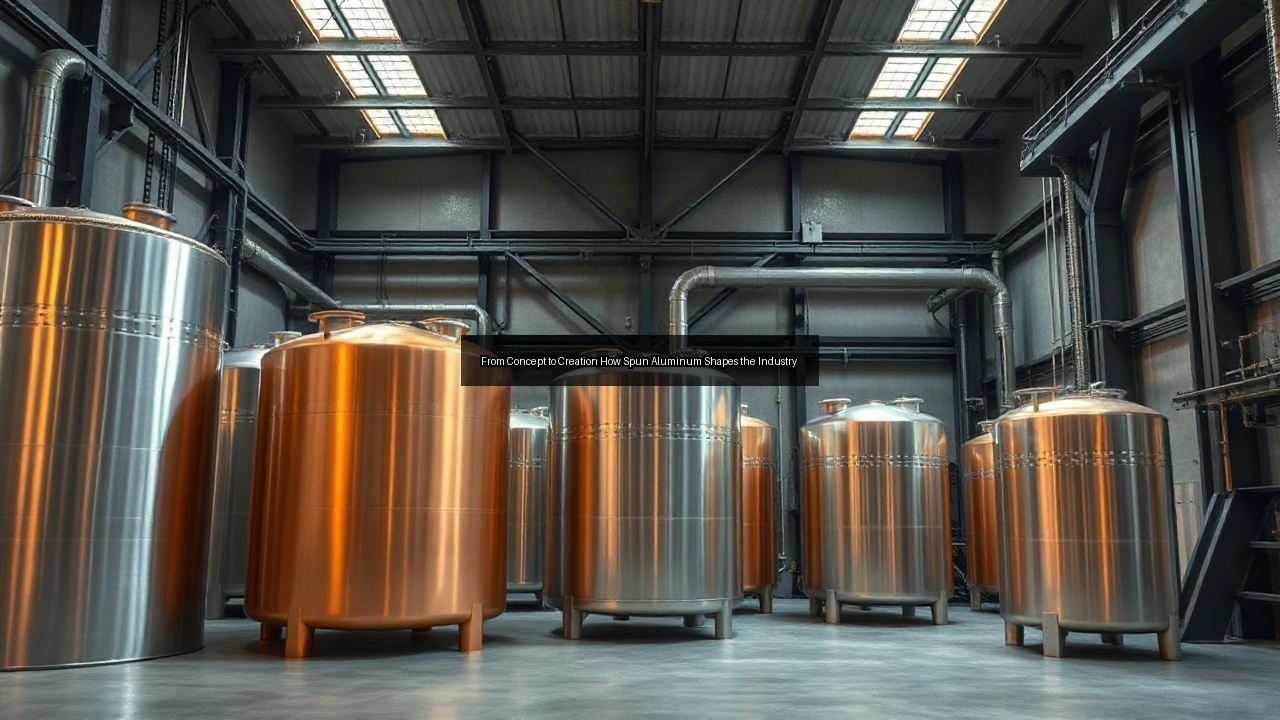
The Evolution of Spun Aluminum in Industry
Historical Background of Aluminum Usage
Aluminum entered industrial use in the late 19th century after the Hall-Héroult process made large-scale production feasible. Early manufacturers valued its low density and corrosion resistance for aircraft frames and kitchenware. By the 1920s, fabricators began experimenting with manual spinning to create seamless shapes from flat disks. This approach quickly replaced riveting for many round components because it reduced weight and eliminated leak paths. Spun aluminum found immediate roles in lighting reflectors and cookware, where smooth surfaces improved performance and cleaning. Demand grew steadily through World War II as military contracts required lightweight fuel tanks and radar housings. Postwar commercial expansion carried the material into consumer goods and automotive trim, establishing metal spinning as a reliable route from raw sheet to finished part.
Introduction to Metal Spinning Techniques
Metal spinning transforms flat aluminum blanks into rotationally symmetric forms by pressing them against a rotating mandrel. Operators apply localized force with rollers or tools while the workpiece spins at high speed, causing the metal to flow plastically without thinning excessively. The process handles both manual and CNC-controlled machines, allowing tight tolerances on diameters from a few inches to several feet. Spun aluminum parts emerge with excellent surface finishes that often require minimal secondary polishing. Because the technique works the material in a continuous grain flow, finished components retain strength superior to many welded alternatives. Modern shops combine spinning with annealing cycles to manage work hardening in alloys such as 1100 and 6061, producing everything from decorative bowls to pressure-rated tanks.
Comparison with Other Metal Forming Processes
Unlike metal stamping, which requires expensive dies and produces flat or simple contours, metal spinning creates deep, curved shapes in a single setup with lower tooling costs. Casting introduces porosity risks and heavier walls, while spinning maintains uniform thickness and lighter weight. Hydroforming can achieve complex geometries but demands high-pressure equipment and longer cycle times for aluminum. Fabricators choose spinning when rotational symmetry is present and production volumes fall between prototype runs and high-volume stamping. The process also avoids the heat-affected zones common in welding, preserving corrosion resistance in spun aluminum tanks and housings. Overall, spinning delivers cost-effective, high-strength parts where other methods add unnecessary mass or expense.
Understanding the Metal Spinning Process
Overview of the Metal Spinning Process
The metal spinning process begins with a circular aluminum blank clamped against a mandrel on a spinning lathe. As the blank rotates, the operator or CNC tool applies progressive pressure from the center outward, forcing the metal to conform to the mandrel contour. Multiple passes refine the shape while controlling wall thickness. Intermediate annealing restores ductility when work hardening stiffens the alloy. Final trimming and beading complete the part. This incremental deformation produces seamless spun aluminum components with superior structural integrity compared to assembled sections. Shops monitor speed, feed rate, and lubrication to prevent wrinkling or tearing, especially on thin-gauge material destined for tanks or reflectors.
Key Tools and Equipment Used
Core equipment includes variable-speed spinning lathes, mandrels machined from steel or wood, and roller tools with hardened contact surfaces. CNC models add programmable force control and automatic tool changers for repeatability across batches of spun aluminum alloys. Hand tools such as spoon rollers and backsticks allow fine adjustments on short runs. Hydraulic tailstocks maintain consistent clamping pressure, while digital readouts track diameter and depth. Lubricants formulated for aluminum reduce friction and heat buildup during prolonged spinning cycles. Inspection fixtures verify roundness and wall thickness before parts move to finishing or assembly lines for tanks and enclosures.
Materials Commonly Used in Spinning
Aluminum alloys 1100, 3003, and 6061 dominate because they combine good formability with corrosion resistance. Pure aluminum offers maximum ductility for deep draws, while 6061 provides higher strength after heat treatment for structural tanks. Copper appears occasionally for decorative or conductive parts, yet aluminum remains preferred for weight-sensitive applications. Thicknesses range from 0.032 inch for reflectors to 0.250 inch for pressure vessels. Pre-polished sheet reduces finishing time on visible spun aluminum products. Material certification ensures consistent mechanical properties, allowing engineers to predict final strength after the work-hardening that occurs during spinning.
Applications of Spun Aluminum
Role of Spun Aluminum in Tank Manufacturing
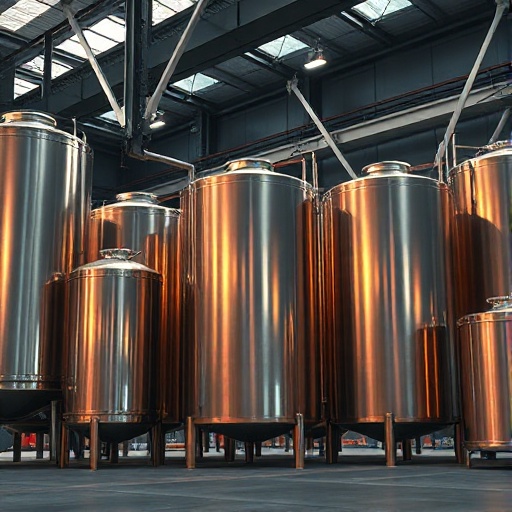
Spun aluminum tanks serve fuel, hydraulic, and chemical storage needs across aerospace, marine, and industrial sectors. The seamless construction eliminates weld seams that could leak or corrode, while the lightweight nature reduces overall system weight compared with steel alternatives. Manufacturers spin cylindrical, conical, and hemispherical tank sections in one operation, then join them with flanges or adhesive bonding when larger volumes are required. Corrosion-resistant alloys extend service life in harsh environments. Because spinning maintains uniform wall thickness, engineers achieve predictable pressure ratings without excess material. Many modern fuel tanks rely on spun aluminum end caps paired with extruded bodies for optimal strength-to-weight performance.
Innovations in Spun Aluminum Products
Recent product developments include multi-axis CNC spinning that creates asymmetric features such as offset ports on tanks without secondary machining. Hybrid spinning and flow-forming lines produce tapered aluminum rocket motor cases with precise wall-thickness transitions. Additive-manufactured mandrels now allow rapid prototyping of complex spun aluminum shapes previously impossible with traditional tooling. Surface treatments like anodizing or powder coating enhance appearance and durability on architectural spinnings. These advances expand markets into electric-vehicle battery enclosures and high-end lighting fixtures where both aesthetics and structural performance matter.
Advantages of Using Spun Aluminum Over Other Materials
Spun aluminum delivers lower mass than steel or cast iron while resisting corrosion better than many coated alternatives. The process generates minimal scrap compared with stamping or machining from solid billets. Seamless construction improves leak resistance in tanks and pressure vessels. Designers gain freedom to create smooth curves and compound radii without expensive dies. Recyclability remains high because the alloy stays uncontaminated by welding fillers. These factors combine to reduce both manufacturing cost and lifecycle environmental impact for components ranging from HVAC housings to decorative bowls.
Economic Impact of Spun Aluminum
Cost Analysis of Spinning vs. Metal Stamping
Metal spinning avoids the high initial die costs of stamping, making it economical for volumes under 10,000 units. Tooling for a spun aluminum tank end can cost one-tenth that of a progressive stamping die. Labor content is higher per part, yet cycle times remain competitive for medium runs because setup is quick. Material utilization exceeds 80 percent in spinning versus 60 percent typical in stamping layouts. When design changes occur, spinning mandrels can be modified faster and cheaper than hardened dies. Total cost per part therefore favors spinning until production scales justify stamping investment.
Market Trends in Spun Aluminum Industry
Demand for lightweight spun aluminum components continues rising in electric vehicles, renewable energy storage, and aerospace. Suppliers report increased orders for custom tank spinnings as fleets convert from steel. CNC automation has lowered per-part costs and improved consistency, attracting new entrants into the market. Export growth focuses on Europe and Asia where aluminum recycling mandates favor the material. Trade data shows steady expansion of spun aluminum alloy shipments, particularly 6061-T6 variants used in structural applications.
Future Prospects for Spun Aluminum Products
Projections indicate sustained growth as industries prioritize weight reduction and sustainability. New alloy developments promise higher strength after spinning, opening doors to thinner, lighter tanks. Integration with robotic handling will further cut cycle times. Markets for architectural and consumer spun aluminum are expected to expand alongside demand for distinctive, recyclable metal products. Overall, the combination of design flexibility and economic efficiency positions spun aluminum for continued relevance across multiple sectors.
The Future of Spun Aluminum Technology
Advancements in Spinning Techniques
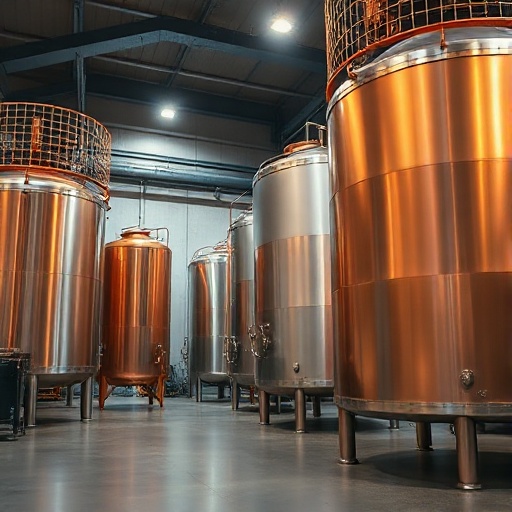
Next-generation spinning machines incorporate real-time force feedback and laser measurement to adjust roller paths on the fly, reducing scrap on challenging aluminum alloys. Multi-roller configurations allow simultaneous inner and outer forming for thicker sections. Warm spinning at elevated temperatures improves ductility on high-strength alloys without full annealing. These refinements shorten production cycles and enable tighter tolerances on large-diameter tank components previously considered impractical for spinning.
Sustainability and Environmental Considerations
Spun aluminum supports circular economy goals because scrap generated during trimming returns directly to smelters with minimal processing. The process consumes less energy than casting or extensive machining. Lightweight spun aluminum tanks improve fuel efficiency in vehicles and aircraft, cutting lifetime emissions. Water-based lubricants now replace solvent formulations, reducing volatile organic compound output. Manufacturers increasingly track recycled content percentages to meet customer sustainability reporting requirements.
Case Studies of Successful Spun Aluminum Applications
An aerospace supplier replaced welded steel fuel tanks with spun aluminum versions, cutting weight by 35 percent and eliminating leak-test failures. A commercial lighting manufacturer adopted spun aluminum reflectors to achieve precise beam patterns at lower cost than hydroformed alternatives. In the marine sector, a builder introduced spun aluminum water tanks that resisted corrosion for over a decade in saltwater service. Each case demonstrates how metal spinning delivers functional, economical solutions that outperform traditional fabrication methods.
See Also
- The Art of Spun Aluminum Unlocking the Secrets of Metal Spinning
- The Environmental Benefits of Using Spun Aluminum Over Other Metals
- Why Spun Aluminum is the Future of Lightweight Design
- Spun Aluminum vs Traditional Metals Which is the Right Choice for Your Project
- The Science Behind Spinning Aluminum Exploring the Process and Benefits