Choosing the Right Manufacturer for Your Machined Plastic Needs
Understanding Machined Plastic Components
What Are Machined Plastic Components?
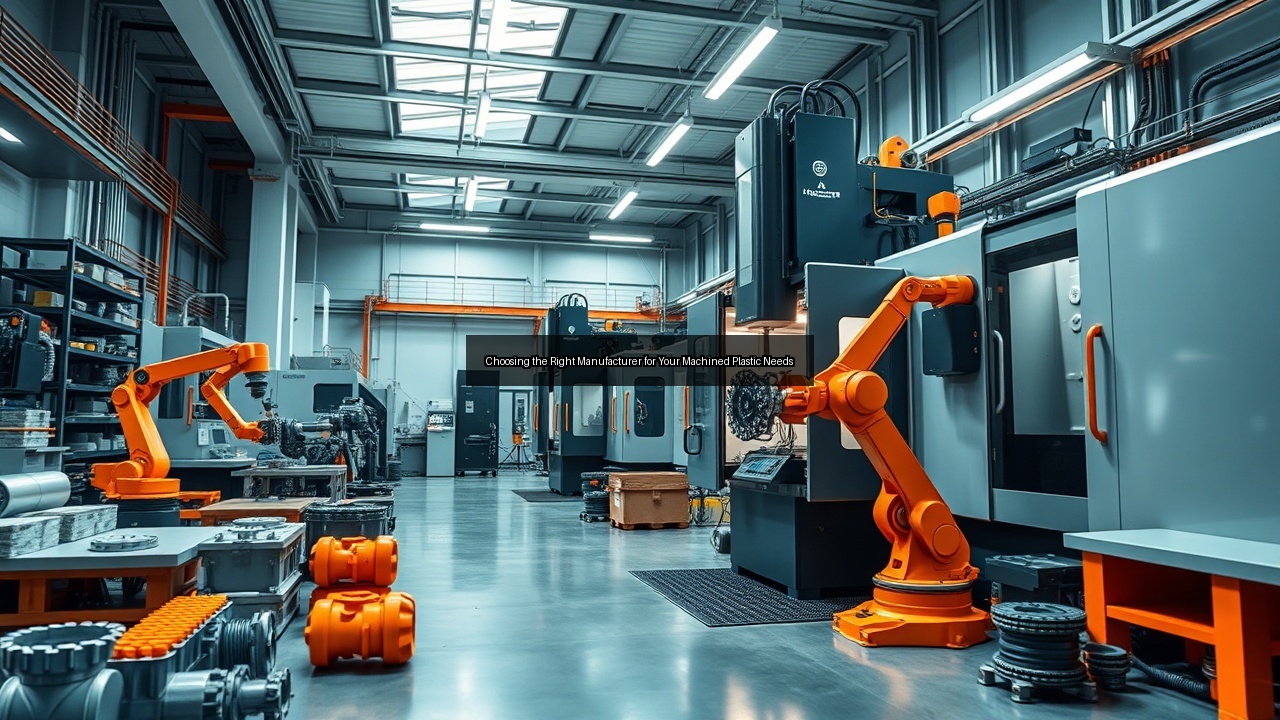
Machined plastic components result from precision processes that shape engineering plastics into functional parts using CNC machinery. These components meet exact specifications for dimensions and tolerances in industries that demand reliability. CNC machined plastic parts replace metal in many designs because they reduce weight without sacrificing strength. A skilled machinist programs CNC machinery to cut, drill, and mill plastics such as acetal, nylon, and PEEK into finished pieces. Plastic fabrication through machining delivers tight tolerances that injection molding often cannot achieve at low volumes. Companies rely on these parts for prototypes and production runs where consistency matters. Machined plastic components appear in gears, housings, and insulators that require smooth surfaces and precise fits.
Common Applications of CNC Machined Plastics
Industries apply CNC machined plastic components in aerospace brackets, medical device housings, and automotive sensors. Robot manufacturers integrate plastic machined components into lightweight arms and fixtures that move faster than metal versions. Food processing equipment uses machined plastics for wear strips and guides that resist corrosion. Electronics firms specify cnc machined plastic parts for insulators and connectors that maintain electrical performance. These applications benefit from engineering plastics that withstand chemicals and temperatures where metals fail. Batch production of plastic cnc machined components supports rapid scaling when product designs stabilize. Custom machining handles one-off parts for specialized machinery that standard suppliers cannot provide.
Advantages of Using Engineering Plastics in Machining
Engineering plastics offer machinists lower cutting forces than metals, which extends tool life and reduces energy use during production. CNC machining of these materials produces machined plastic parts with excellent chemical resistance and low friction coefficients. Parts maintain dimensional stability across temperature swings that would warp other materials. Composites blended into engineering plastics add strength while preserving the weight savings that designers seek. Manufacturers achieve complex geometries in a single setup on CNC machinery, cutting lead times compared with casting methods. Machined components of plastic also damp vibration better than metal equivalents, improving equipment longevity. Companies gain cost advantages when they select plastics that eliminate secondary finishing steps.
Key Factors to Consider When Choosing a Manufacturer
Expertise in CNC Machining and Plastic Fabrication
Choose a manufacturer with documented experience producing machined plastic components across multiple polymer families. Expertise shows in the ability to select the right grade of engineering plastics for each application and then machine it without inducing stress. Review past projects that include plastic cnc machined components for similar industries. Ask about the machinist training programs that keep staff current on new tool paths and workholding methods. A capable partner explains how plastic fabrication differs from metal work and adjusts feeds and speeds accordingly. Look for teams that have handled both prototypes and high-volume runs of cnc machined plastic parts. This depth prevents common defects such as melting or burr formation during production.
Assessing Manufacturing Technology and Equipment
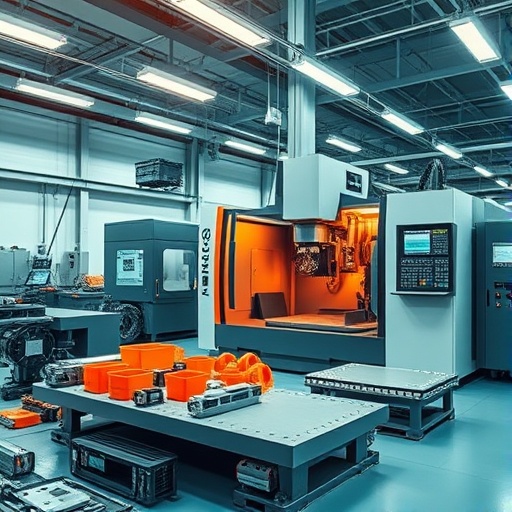
Evaluate the CNC machinery on the shop floor for five-axis capability and live tooling that speeds up complex plastic machined component jobs. Modern equipment maintains stable temperatures to protect tight tolerances when machining heat-sensitive engineering plastics. Automated tool changers and probing systems reduce setup time between batches of machined plastic parts. Confirm that the manufacturer invests in software that simulates tool paths before cutting actual material. Older machines may struggle with the surface finishes required for medical or optical applications. Technology upgrades also support integration with robot loading systems that increase throughput without sacrificing quality. A forward-looking company upgrades spindles and controllers regularly to handle tougher composites.
Understanding Specifications, Dimensions, and Tolerances
Review how the manufacturer interprets customer drawings for dimensions and tolerances on machined plastic components. Skilled teams ask clarifying questions about critical features rather than assuming standard values. They document material lot traceability so that engineering plastics meet regulatory requirements in regulated sectors. Proper fixturing prevents distortion that would push parts outside tolerance bands during CNC machining. Manufacturers that measure parts on coordinate measuring machines after each operation catch deviations early. Clear communication about tolerances prevents costly rework on plastic cnc machined components. Ask for sample inspection reports that show statistical process control data from previous production runs.
Evaluating Manufacturer Capabilities
Batch Production vs. Custom Machining Needs
Determine whether the manufacturer balances batch production of standard machined plastic parts with flexible custom machining for unique designs. Some shops excel at high-volume runs of cnc machined plastic components but lack capacity for quick-turn prototypes. Others specialize in low-volume work and struggle when orders scale. Request lead-time examples for both scenarios so you match your demand pattern. Flexible partners adjust scheduling on CNC machinery to accommodate engineering changes without major delays. They maintain raw stock of common engineering plastics to shorten turnaround on machined components of plastic. This dual capability protects your project timeline when market conditions shift.
Surface Finishing and Surface Treatment Options
Confirm available surface finishing methods that improve wear resistance or aesthetics on machined plastic parts. Options include bead blasting, polishing, and flame treatment that enhance bonding for subsequent coatings. Surface treatment processes must avoid chemicals that attack the base polymer. Ask which finishes the manufacturer has validated on specific engineering plastics to ensure compatibility. Proper finishing removes machining marks that could create stress risers in loaded components. Some companies apply laser marking directly after CNC machining for traceability without additional handling. Evaluate sample parts to verify that surface treatments meet your functional and cosmetic standards.
Role of Technology and Automation in Production
Automation through robot cells loads and unloads CNC machinery, allowing continuous operation on machined plastic components. This setup reduces human error and maintains consistent cycle times across shifts. Software tracks tool wear and automatically compensates offsets to hold tolerances on plastic cnc machined components. Data collection from machines feeds real-time dashboards that highlight bottlenecks before they affect delivery. Advanced manufacturers simulate entire production flows to optimize nesting of multiple plastic machined components on single sheets. These technologies lower labor costs while improving repeatability. Select partners that demonstrate ongoing investment in automation rather than static equipment lists.
The Importance of Quality Assurance in Machined Plastics
How to Ensure Consistent Quality in Machined Components
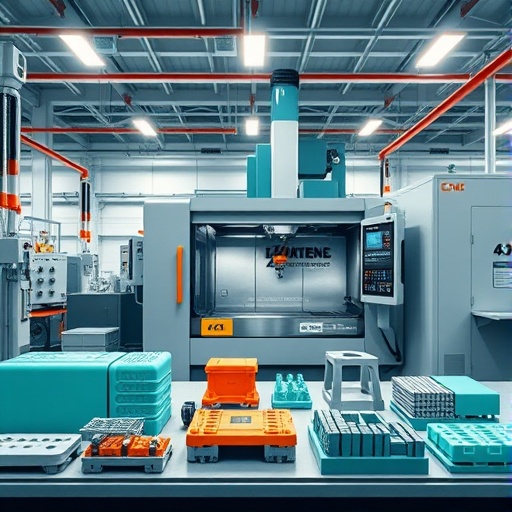
Consistent quality starts with incoming inspection of engineering plastics and continues through in-process checks during CNC machining. Manufacturers document every step so that machined plastic parts remain traceable from raw stock to shipment. Statistical sampling plans catch variations before they become defects in the finished batch. Operators monitor spindle loads and temperatures to prevent overheating that ruins surface integrity. First-article inspections validate setups on new jobs, then periodic audits maintain control. This disciplined approach delivers plastic cnc machined components that fit correctly on the first assembly attempt. Companies that skip these steps risk field failures that damage reputations.
Testing and Inspection Methods for Machined Plastics
Testing includes dimensional verification on coordinate measuring machines calibrated to national standards. Surface finish profilometers quantify roughness values required for sealing applications on machined plastic components. Material property tests confirm that engineering plastics retain specified strength after machining. Non-destructive methods such as ultrasonic inspection detect internal voids in thicker plastic machined parts. Functional testing on fixtures simulates real-world loads before parts leave the facility. These methods provide objective data rather than subjective visual checks alone. Manufacturers that publish test protocols give buyers confidence in lot-to-lot consistency.
Certifications and Standards to Look For in a Manufacturer
ISO 9001 certification signals that the manufacturer follows documented processes for producing machined plastic components. AS9100 or ISO 13485 adds sector-specific controls valued by aerospace and medical customers. Material certifications accompany each shipment of engineering plastics so buyers verify compliance. RoHS and REACH declarations confirm that machined plastic parts meet environmental regulations. Ask for audit reports that show corrective action effectiveness when issues arise. Certifications alone do not guarantee performance, yet they indicate organizational discipline. Combine them with on-site visits to confirm that standards translate into daily practice on the CNC machinery floor.
Building a Relationship with Your Machining Partner
Effective Communication with Your Manufacturer
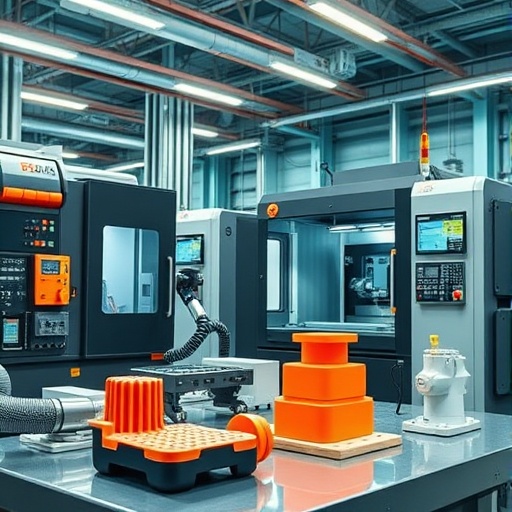
Clear communication begins with shared digital models and revision-controlled drawings for every machined plastic component order. Regular status calls keep both teams aligned on material availability and machine capacity. The manufacturer should flag potential tolerance conflicts early rather than after production starts. Written confirmation of specifications prevents misunderstandings that lead to rejected plastic cnc machined components. Joint design reviews leverage the machinist’s knowledge of what CNC machinery can achieve efficiently. This open dialogue shortens development cycles and reduces change orders. Treat the relationship as a partnership rather than a simple purchase transaction.
Long-term Benefits of Collaboration
Long-term collaboration yields cost reductions through design-for-manufacturability feedback on future machined plastic parts. Shared forecasting allows the manufacturer to stock engineering plastics and reserve CNC machinery time. Joint process improvements often increase yields and cut waste on plastic machined components. The partner learns your quality expectations and anticipates needs without repeated instructions. Over time, this relationship supports faster response to market changes and new product introductions. Companies that rotate suppliers frequently lose these cumulative gains in efficiency and knowledge transfer.
Future Trends in CNC Machined Plastics and Manufacturing
Future trends point toward greater use of automation and digital twins that simulate CNC machining of new engineering plastics before cutting. Hybrid machines that combine additive and subtractive processes will create complex internal features in machined plastic components. Sustainability efforts will increase demand for recycled-content polymers that still meet tolerance requirements. Real-time monitoring through IoT sensors on CNC machinery will predict maintenance needs and prevent unplanned downtime. Robot integration will expand to secondary operations such as deburring and inspection of plastic cnc machined components. Manufacturers that adopt these advances will deliver shorter lead times and higher quality. Select partners who actively pilot these technologies today.